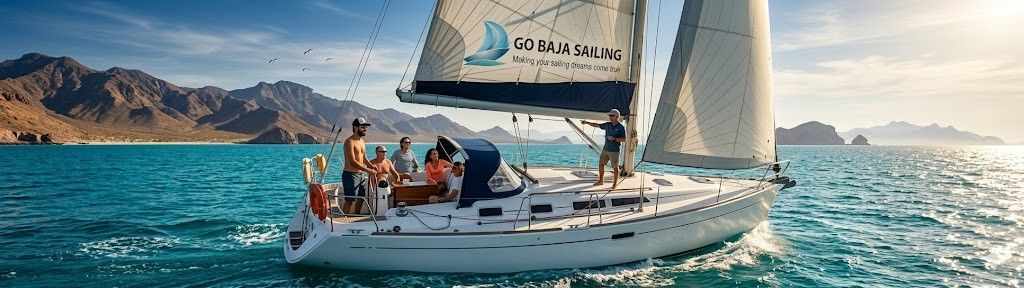
The Allure of Wind, Water, and New Horizons
Have you ever imagined waking up to the gentle rocking of a sailboat, sunlight shimmering across turquoise water, and a fresh breeze signaling the start of a new adventure? For many aspiring sailors, the idea feels distant — yet increasingly, travelers are discovering how accessible sailing in mexico can be when paired with structured instruction and immersive experiences.
Mexico’s extensive coastline, diverse sailing grounds, and welcoming maritime culture create an ideal learning environment. Whether you’re stepping aboard for the first time or building confidence after a few lessons, this destination offers a blend of skill development, relaxation, and unforgettable exploration.
Why Mexico Appeals to Aspiring Sailors
Mexico’s sailing appeal lies in its geographic variety and reliable conditions. From calm bays perfect for beginners to open coastal passages suited for intermediate learners, the country provides a natural progression for skill building.
Warm waters extend sailing seasons in many regions, while predictable wind patterns allow instructors to plan structured training. The result is an environment where theory and practice can merge seamlessly — helping sailors gain competence while remaining engaged.
For those seeking a meaningful learning experience rather than a passive vacation, this combination is especially compelling. Families, couples, and solo travelers alike often find that time at sea fosters collaboration, patience, and confidence.

Learning Pathways: What Structured Sailing Courses Offer
Hands-on instruction typically combines classroom sessions, onboard demonstrations, and supervised sailing time. This layered approach ensures that foundational knowledge translates into real-world competence.
Many programs also emphasize seamanship fundamentals, including safety awareness, weather interpretation, and boat handling techniques. Courses may progress through topics such as sail trim, docking, anchoring, navigation, and emergency procedures.
A growing number of travelers specifically search for opportunities to Learn to Sail in Mexico, as certified programs provide a clear pathway from novice to independent cruising capability. These courses often culminate in internationally recognized credentials that open doors to chartering or private sailing adventures elsewhere.
Flexible Learning Options Through ASA Courses
Not every aspiring sailor can commit to a full liveaboard week, which is why structured day-based learning pathways have become increasingly popular. Many sailing schools now offer modular training through ASA Courses, allowing students to build skills gradually while still enjoying time ashore each evening. These formats often include certified instruction, practical sailing sessions on monohulls or catamarans, and access to official study materials and assessments.
Shorter training blocks can be especially appealing for travelers combining sailing education with a broader coastal vacation. Introductory sessions may focus on sail handling fundamentals and helm control, while multi-day modules typically expand into coastal navigation, docking procedures, and teamwork under varying wind conditions. This progressive structure enables learners to gain confidence step by step without feeling overwhelmed.
For intermediate sailors, specialized endorsements — such as docking or catamaran handling — provide opportunities to refine specific competencies. Whether pursuing foundational seamanship or advancing toward independent cruising capability, day-course formats offer a practical balance between immersive learning and personal travel flexibility.

The Value of Liveaboard Experiences
Unlike day lessons, liveaboard courses immerse students in the rhythm of sailing life. Participants typically share responsibilities such as route planning, meal preparation, watchkeeping, and maintenance tasks.
This immersive format accelerates learning by exposing sailors to changing conditions and decision-making scenarios. Nights spent anchored in secluded coves or moored near coastal towns offer valuable lessons in anchorage selection, navigation lights, and onboard routines.
Beyond technical skills, liveaboard learning fosters camaraderie. Shared challenges — adjusting sails in shifting winds or coordinating docking maneuvers — often create lasting bonds among crew members.
Understanding Mexico’s Key Sailing Regions
Mexico’s sailing landscape is not defined by a single destination. Instead, multiple coastal zones cater to different experience levels and preferences.
The Baja Peninsula is widely recognized for its dramatic desert-meets-sea scenery and protected cruising grounds. Sailors frequently explore islands, reefs, and tranquil anchorages that encourage wildlife encounters and outdoor activities.
Elsewhere, regions along the Pacific and Caribbean coasts offer varied conditions — from brisk ocean swells to sheltered lagoons. This diversity allows sailors to tailor experiences based on comfort level and learning goals.
A highlight for many travelers is the opportunity to experience sailing in sea of cortez, an area celebrated for its biodiversity and manageable cruising distances. Here, learners often combine navigation practice with snorkeling, paddleboarding, or coastal hiking.
Skills Progression at a Glance

This progression demonstrates how structured sailing education builds competence step by step. Rather than rushing through milestones, effective programs prioritize consistent practice and feedback.
Planning Your Sailing Journey
When considering sailing in mexico, preparation plays an important role in maximizing the experience. Travelers often begin by identifying the type of sailing they prefer — monohull cruising, catamaran comfort, or performance-oriented training.
Seasonality also matters. While some regions offer year-round sailing opportunities, others experience hurricane seasons or shifting wind patterns. Researching weather trends can help align travel plans with optimal sailing conditions.
Budgeting is another key factor. All-inclusive sailing courses may appear costly at first glance, but they often include accommodations, meals, instruction, and equipment — reducing the need for additional travel logistics.

Why Location Shapes Learning Outcomes
Choosing the right base influences both comfort and skill acquisition. Coastal towns with established sailing infrastructure typically provide access to certified instructors, well-maintained fleets, and navigationally interesting routes.
For instance, La Paz sailing experiences frequently combine protected waters with open-sea exposure, allowing instructors to introduce progressively complex scenarios. The surrounding islands and marine parks also create engaging environments for exploration between training sessions.
Such destinations tend to attract communities of sailors, creating opportunities for networking, mentorship, and future cruising partnerships.
Safety and Certification Considerations
Structured sailing education prioritizes safety protocols alongside technical instruction. Students learn how to assess changing weather conditions, interpret navigational aids, and respond to onboard emergencies.
Certification pathways often involve written assessments as well as practical demonstrations of competence. These evaluations ensure that sailors not only understand theoretical concepts but can also apply them confidently at sea.
In recent years, technological enhancements — such as satellite connectivity and advanced navigation tools — have further improved learning environments. While traditional seamanship remains central, digital resources help students analyze routes, track weather systems, and communicate effectively.

High-Intent Questions Prospective Sailors Ask
Before committing to a sailing course, many travelers research practical concerns such as:
How many days are needed to become comfortable handling a sailboat?
Are liveaboard courses suitable for families or solo travelers?
What certifications are required to charter a boat independently?
How physically demanding is sailing training?
What weather conditions can beginners expect?
Addressing these questions early can help set realistic expectations and guide course selection.
Beyond Skill Building: Lifestyle and Personal Growth
Sailing often transforms participants’ perspectives on travel and leisure. Time spent navigating natural elements fosters adaptability, patience, and situational awareness.
For many learners, mastering a new skill in an unfamiliar environment builds resilience and self-confidence. The satisfaction of successfully plotting a course or executing a docking maneuver can be deeply rewarding.
Equally important is the lifestyle aspect. Evenings spent sharing stories under star-filled skies or mornings greeted by coastal sunrises create memories that extend beyond technical achievements.
Choosing a Trusted Training Provider
While Mexico offers numerous sailing opportunities, selecting a reputable program can make a significant difference. Experienced instructors, structured curricula, and well-maintained vessels contribute to both safety and learning quality.
Programs such as Go Baja Sailing are often cited by travelers as dependable options due to their emphasis on immersive instruction and certified training pathways. Researching reviews, course outlines, and instructor credentials can help prospective sailors make informed decisions.
Ultimately, the right provider will prioritize student progression and experiential learning rather than simply offering scenic excursions.

A Subtle Invitation to Explore
If you’ve been contemplating a skill-focused travel experience, sailing provides a rare combination of adventure and education. Even a short course can ignite long-term interest in maritime exploration.
As confidence grows, many sailors transition from guided instruction to independent cruising — chartering boats with friends or planning multi-destination voyages. In this sense, sailing education becomes less about a single trip and more about opening doors to future journeys.
Toward the end of your research process, you may encounter established schools like Go Baja Sailing, often mentioned as trusted training environments for those seeking structured liveaboard learning experiences.
The Lasting Appeal of Coastal Discovery
From wildlife encounters to quiet anchorages, Mexico’s sailing grounds offer a dynamic classroom shaped by nature itself. Each tack, gybe, and navigational decision contributes to a deeper understanding of both the sea and one’s own capabilities.
For beginners and intermediate sailors alike, the journey is as important as the destination. Embracing gradual progression, learning from seasoned instructors, and immersing oneself in the maritime lifestyle can turn curiosity into lifelong passion.
Whether your goal is certification, adventure, or simply the joy of wind-powered travel, the opportunity to experience sailing mexico remains one of the most compelling ways to blend exploration with meaningful skill development.
Sailing Lessons GoBajaSailing
Marina Costa Baja Costa Baja, 23010 La Paz, B.C.S., Mexico
+52 612 100 5751





Write a comment ...